
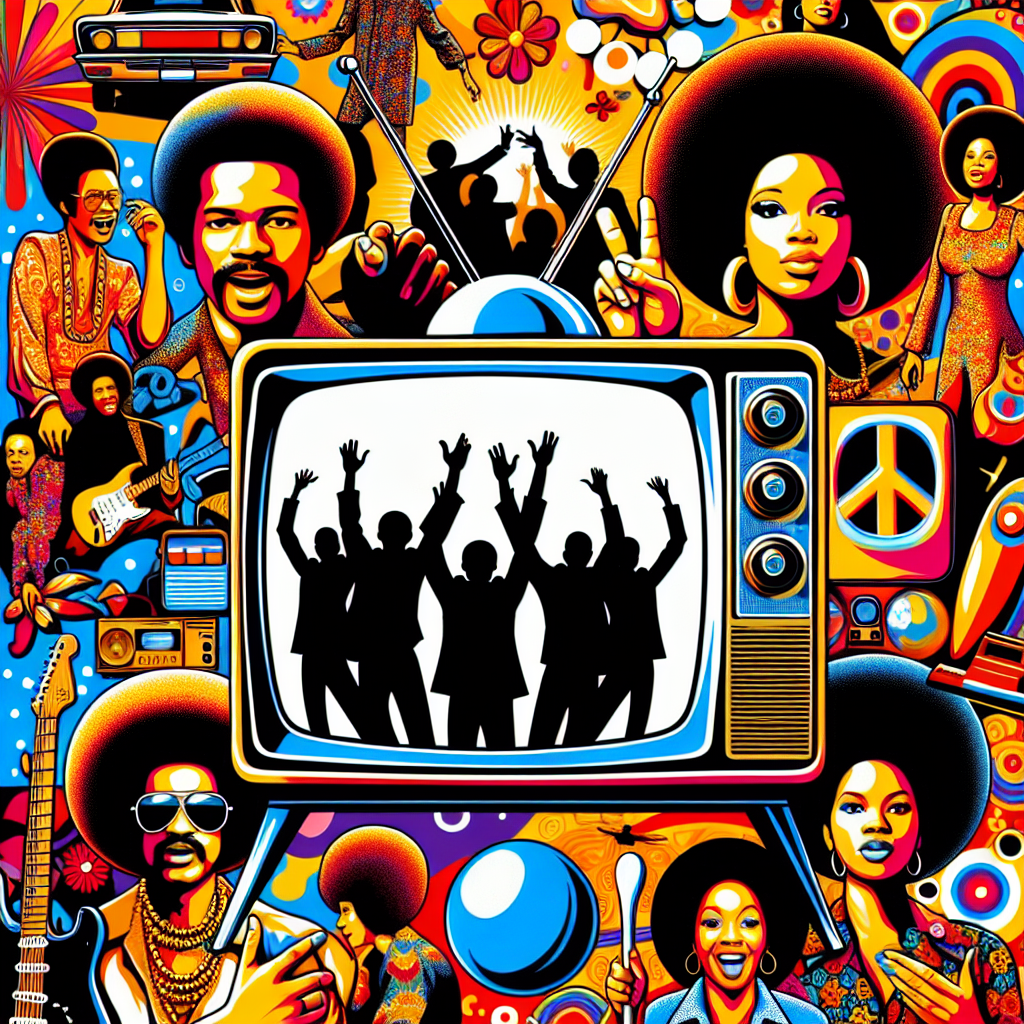
- 70's Black TV Sitcoms: The Stunning Rise to Unforgettable Fame
- The Groundbreaking Beginnings
- Unique Humor with Powerful Messages
- Cultural Impact and Legacy
- Pioneers Behind the Scenes
- Conclusion: An Unforgettable Era
70’s Black TV Sitcoms: The Stunning Rise to Unforgettable Fame
The 1970s marked a pivotal era in American television history, not only due to the widespread cultural changes but because of the stunning rise of Black TV sitcoms that became staples in households across the nation. These shows were groundbreaking, providing authentic representation of African American life, humor, and challenges at a time when diversity on screen was scarce. The vibrant storytelling, memorable characters, and social commentary featured in 70’s Black TV sitcoms helped shape the landscape of television and paved the way for future generations.
The Groundbreaking Beginnings
The decade began with a scarcity of Black-centered programming on mainstream networks. However, shows like “Julia”, which debuted in 1968 and ran into the early 70s, started opening doors by focusing on a professional Black woman’s life rather than the stereotypical portrayals common in earlier TV. This academic but accessible shift was instrumental in signaling that audiences were ready for more nuanced portrayals that reflected genuine Black experiences.
Shortly after, the floodgates opened. Series such as “Sanford and Son,” “Good Times,” “The Jeffersons,” and “What’s Happening!!” stood tall not just as entertaining sitcoms but as cultural phenomena. These shows didn’t shy away from integrating critical social issues such as racial inequality, economic struggles, and family dynamics, providing a relatable yet candid look into Black America.
Unique Humor with Powerful Messages
One of the defining aspects of 70’s Black TV sitcoms was their unique blend of humor and social analysis. Shows like Sanford and Son employed witty banter and slapstick comedy through the father-son duo, Fred and Lamont Sanford, while subtly navigating issues of class and race. Redd Foxx’s portrayal of Fred Sanford brought laughter yet realism, making the audience invested in the characters’ lives beyond the jokes.
Similarly, Good Times took a more serious approach alongside its laughs, portraying a Black family in Chicago living through poverty, systemic challenges, and working-class struggles. The character of James Evans Sr., portrayed by John Amos, was a strong father figure who inspired resilience through adversity. The show ambitiously combined heartwarming family moments with candid discussions of real-world events, which was revolutionary at the time.
Meanwhile, The Jeffersons flipped the narrative by presenting an affluent Black family that had “moved on up” to the East Side, challenging prevailing stereotypes by showcasing Black success and upward mobility. The humor capitalized on cultural clashes and societal observations, blending comedy with subtle critiques.
Cultural Impact and Legacy
The impact of 70’s Black TV sitcoms extended far beyond entertainment. They served as cultural touchstones that promoted Black pride, challenged prejudices, and fostered broader American conversations about race and identity. These programs made African American culture and family life visible to a diverse audience, a vital step in normalizing Black presence on television.
Moreover, the success of these sitcoms proved to networks that stories centered around Black characters could attract wide viewership. This direct challenge to the entertainment industry’s norms began the gradual process of diversifying television and paved the way for future shows throughout the 80s, 90s, and beyond.
Pioneers Behind the Scenes
The actors and creators behind these sitcoms deserve mention for their contributions to television history. Norman Lear, for example, was instrumental in producing socially conscious shows like Good Times and All in the Family. His willingness to address controversial subjects through mass media was vital in reaching wide audiences.
Actors like Isabel Sanford, Sherman Hemsley, Esther Rolle, and Jimmie Walker became household names, their performances transcending mere acting to become symbols of Black resilience, humor, and dignity. Their charismatic portrayals instilled pride in Black viewers and educated others by humanizing stories often overlooked on screen.
Conclusion: An Unforgettable Era
The story of 70’s Black TV sitcoms is one of stunning success, cultural significance, and lasting influence. They not only entertained millions but changed television forever by authenticating Black voices and experiences. Their legacy remains alive today in contemporary shows that continue to explore diversity, race, and family through rich, insightful storytelling.
In reflecting on this remarkable period, it is clear that the rise of these sitcoms was more than a fleeting trend—it was a transformative movement that deserves celebration for breaking barriers and creating unforgettable fame.